User Interface Innovations Guiding Quicker Choices in Fast-Paced Mobile Live Betting Environments
Written by Sage Becker · Aug 21, 2026
User Interface Innovations Guiding Quicker Choices in Fast-Paced Mobile Live Betting Environments
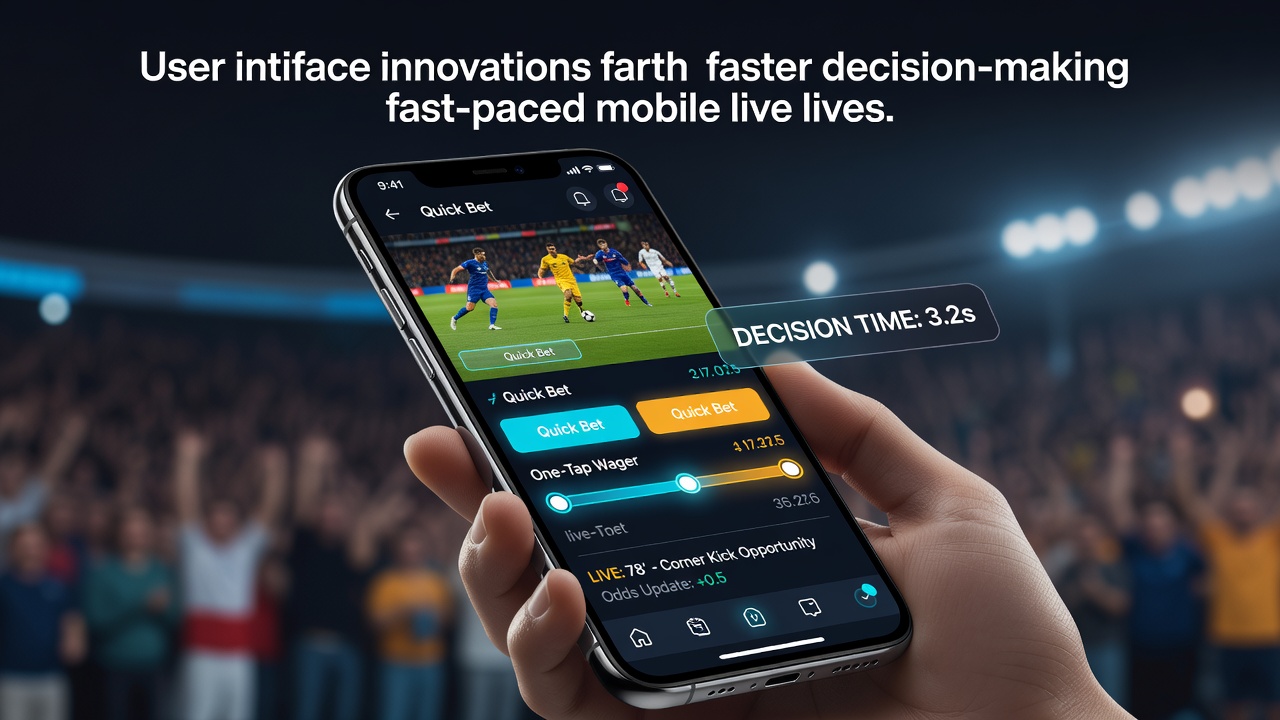
Live betting on mobile devices has expanded rapidly since the mid-2010s, with operators refining interfaces to handle high-volume in-play markets across sports such as soccer, basketball, and tennis; these changes focus on reducing decision latency through gesture controls, dynamic layouts, and predictive elements that surface options without requiring multiple screen taps.
Core Interface Components Driving Faster Decisions
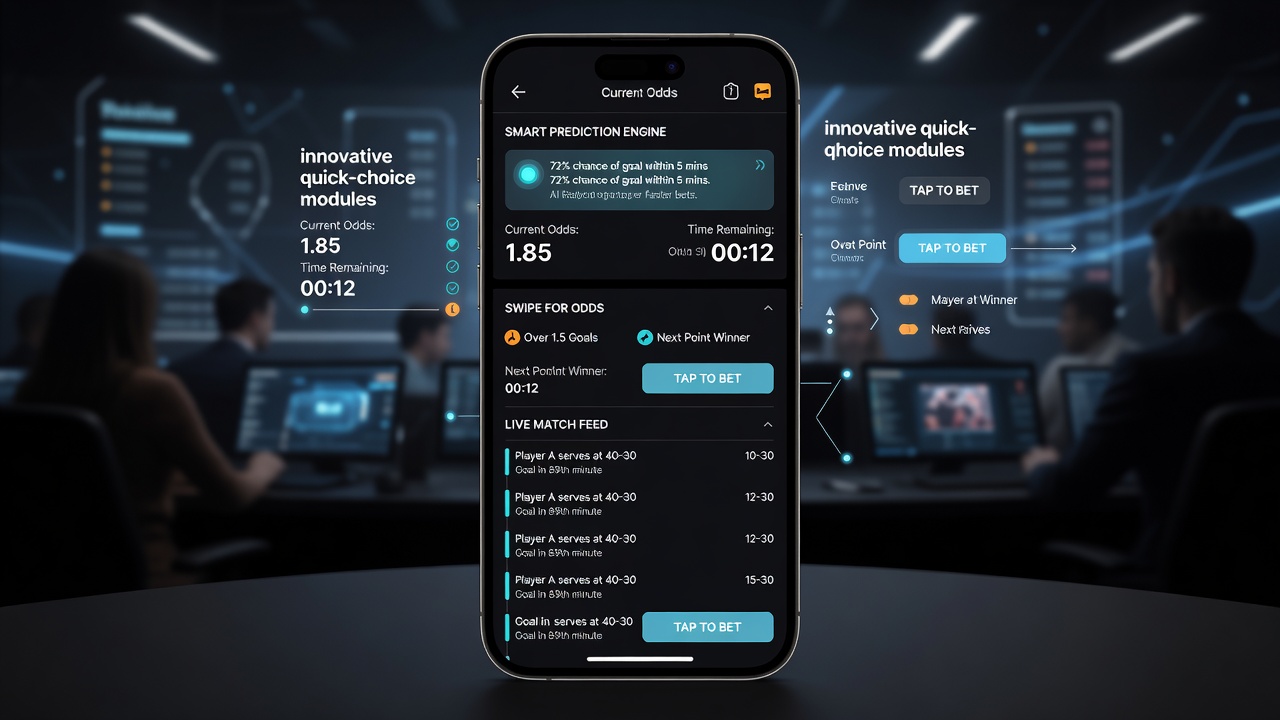
Designers have shifted from static menus to swipe-based navigation systems that allow users to scroll through live odds while keeping the main event feed visible, and data from multiple operator reports indicate that such layouts cut average selection time by 25 to 35 percent compared with earlier list-based formats; gesture recognition also supports one-finger confirmation for common bet types like over-under totals or moneyline shifts during ongoing matches.
Real-time odds streams integrate directly into the primary viewing pane rather than opening separate panels, which means bettors see price movements alongside video or score updates without switching contexts, and this consolidation has become standard in apps handling peak traffic periods such as August 2026 international tournaments where concurrent live events reach several hundred simultaneously.
Adaptive Elements and Contextual Prompts
Interfaces now employ lightweight algorithms that highlight bet opportunities based on recent market activity within a specific fixture, presenting simplified buttons for popular selections while collapsing less-used props into expandable sections; observers note that these contextual cues appear most frequently during high-volatility segments such as injury timeouts or set changes, where rapid price adjustments occur every few seconds.
Color-coded heat maps and progress indicators replace lengthy text descriptions in many applications, allowing visual scanning of momentum shifts across player or team statistics, and studies tracking user interaction logs show reduced error rates when confirmation screens display only essential stake and payout figures instead of full terms each time.
Integration with Device Hardware and Accessibility Features
Developers have incorporated haptic feedback patterns that differentiate between successful bet placement and pending confirmation states, while pressure-sensitive touch layers on newer devices enable variable stake adjustments through varying press intensity; regulatory filings in several jurisdictions document how these hardware ties align with responsible gaming prompts that surface automatically after extended sessions without interrupting core flow.
Voice command shortcuts for predefined bet types have appeared in select markets, particularly where hands-free operation supports users managing multiple devices, and early adoption metrics released by platform analytics firms show steady uptake among users who already customize notification preferences for live alerts.
Data Patterns from Operator Implementations
Industry analyses covering 2025 and 2026 deployments reveal that apps incorporating predictive auto-fill for recurring bet patterns experience higher session completion rates during live windows, whereas interfaces retaining traditional dropdown selectors lag behind in retention during fast-moving contests; one study released by the University of Nevada Reno Gaming Innovation Lab examined interaction heatmaps across thousands of sessions and found that streamlined visual hierarchies correlate with fewer abandoned selections in basketball and soccer live markets.
Cross-device synchronization ensures that in-progress bets remain accessible when users switch from phone to tablet mid-event, and this continuity feature appears most often in platforms serving North American and European audiences where regulatory frameworks encourage consistent user experience standards across licensed operators.
Regional Regulatory Influences on Interface Standards
Canadian provincial gaming authorities have published guidelines encouraging clear display of changing odds alongside risk indicators, while Australian state regulators require explicit separation of stake input from confirmation actions to reduce accidental placements; these requirements have prompted operators to adopt modular UI components that adapt to local rules without altering core navigation flows for international users.
Research published through the European Gaming and Betting Association tracks how standardized iconography across compliant apps reduces cognitive load for bettors navigating unfamiliar sports, and figures from 2026 indicate continued investment in A/B testing of layout variants during major events to measure selection speed under live conditions.
Conclusion
Interface refinements in mobile live betting environments continue to center on minimizing steps between market observation and bet confirmation through integrated visuals, adaptive prompts, and hardware-aware controls, with ongoing data collection from operator platforms and academic groups guiding incremental updates across different regulatory regions.