Tracing Incentive Structures Across Affiliate Networks in the Online Wagering Industry
Written by Ben Schröder · Aug 11, 2026
Tracing Incentive Structures Across Affiliate Networks in the Online Wagering Industry
Online wagering operators rely on affiliate networks to drive traffic and new accounts, yet the payment models behind those partnerships reveal a complex web of revenue sharing, cost per acquisition deals, and performance thresholds that shift by region and operator size. Data from the New Jersey Division of Gaming Enforcement shows that affiliate-driven signups accounted for roughly 28 percent of new sports betting accounts in the first half of 2026, a figure that has remained steady even as overall handle growth slowed.
Core Payment Models and Their Mechanics
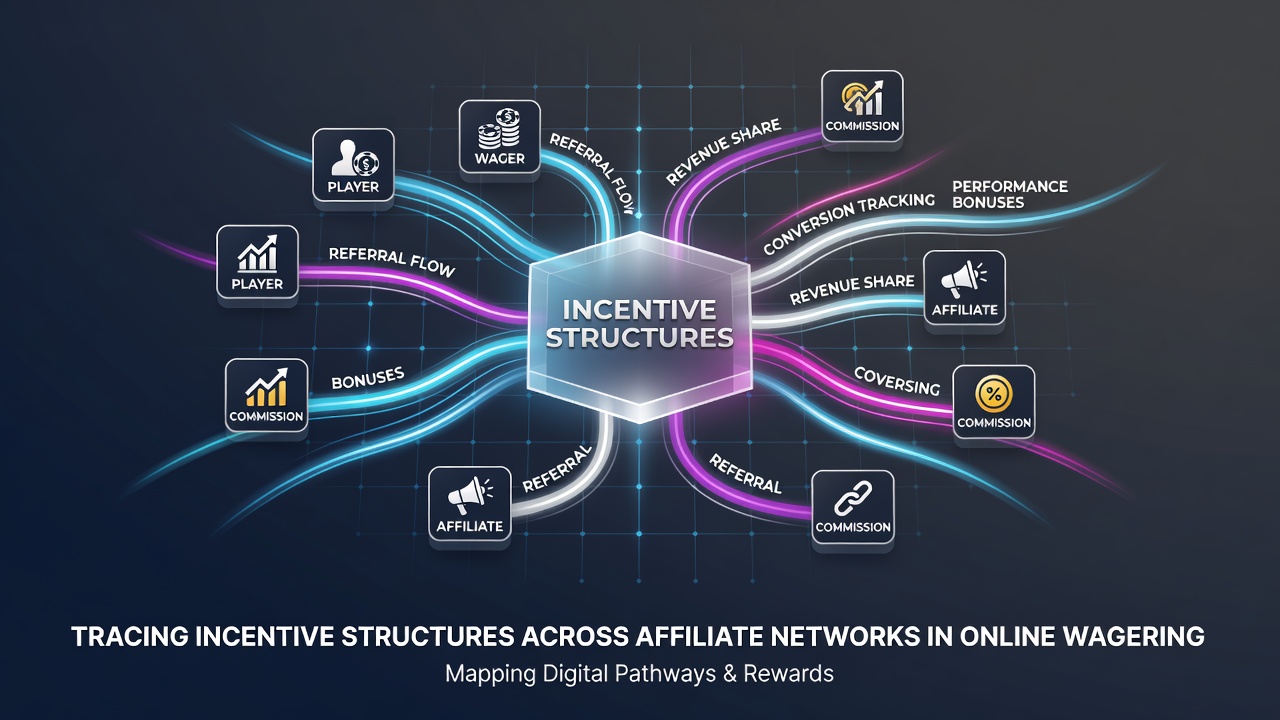
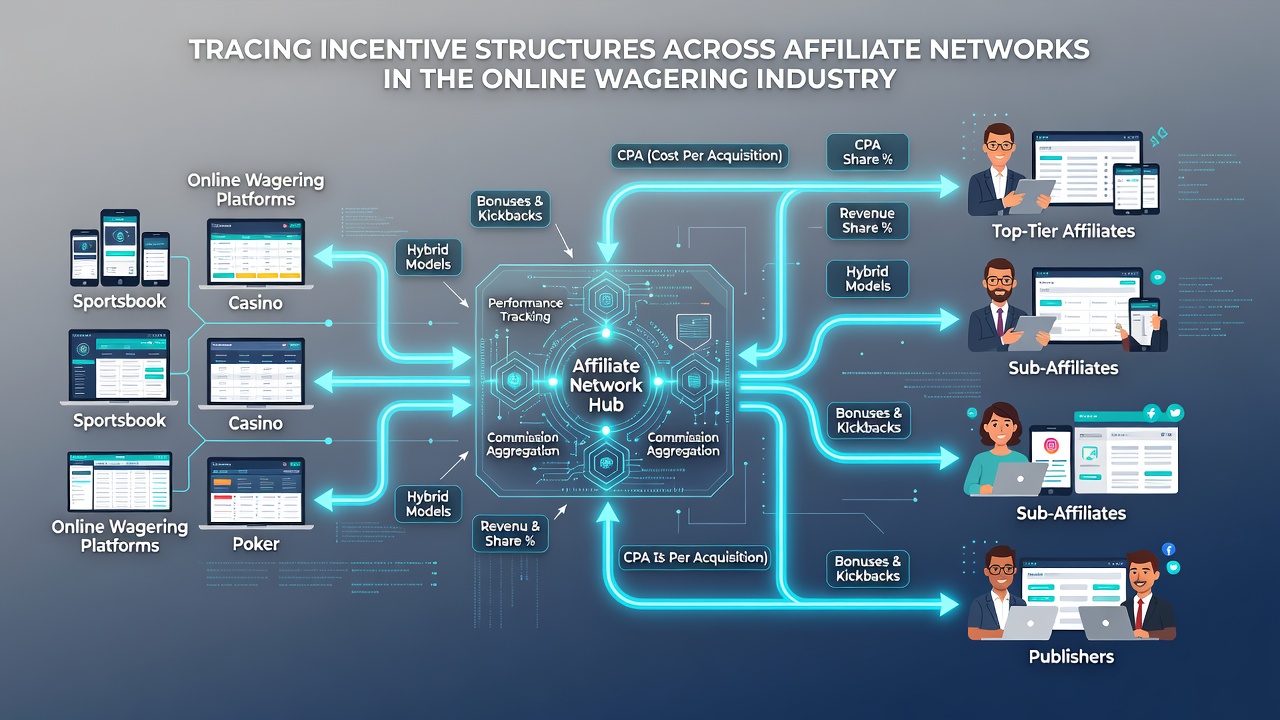
Revenue share arrangements pay affiliates a percentage of net gaming revenue generated by referred players, often ranging from 20 to 40 percent depending on volume tiers and player retention rates, while cost per acquisition structures deliver fixed payouts once a player deposits or completes a qualifying bet. Hybrid models combine both approaches, granting an upfront CPA fee followed by a reduced rev-share percentage after an initial period, and operators adjust these formulas quarterly based on player lifetime value calculations tracked through dedicated affiliate platforms.
Tracking relies on cookie-based attribution windows that typically last 30 days, supplemented by postback URLs and server-to-server integrations that record events even when cookies are blocked, and networks such as Income Access or Affiliate Edge log these events in real time to settle commissions at the end of each calendar month.
Regional Variations in Structure and Compliance
Operators licensed in multiple jurisdictions apply different incentive rules to stay within local advertising guidelines, so affiliates promoting Australian-facing sites often encounter stricter rules on bonus promotions and must disclose commission structures to players, whereas North American programs emphasize responsible gambling messaging tied directly to affiliate creatives. Figures released by the Australian Communications and Media Authority in August 2026 indicated that 14 percent of wagering affiliates operating in that market had adjusted their CPA rates downward after new disclosure requirements took effect in Q2.
Payment frequency also differs by geography, with many European-facing programs settling weekly while US-focused networks default to monthly payouts once minimum thresholds of $500 or $1,000 are reached, and these variations affect how affiliates allocate marketing spend across campaigns.
Tracking Technology and Fraud Prevention
Modern affiliate platforms incorporate device fingerprinting and IP clustering analysis to detect bonus abuse and multi-accounting, which in turn protects operators from paying commissions on fraudulent activity that never generates genuine revenue. Researchers at the University of Nevada, Reno documented a 9 percent reduction in chargeback-related commission clawbacks among operators that implemented multi-signal tracking during 2025, demonstrating measurable returns on these technical investments.
Affiliates themselves receive dashboards that display real-time conversion data, player activity segments, and projected earnings, allowing them to optimize traffic sources without waiting for monthly statements, and these tools have become standard across networks serving the online wagering sector.
Emerging Trends Through Mid-2026
Sub-affiliate programs, in which primary affiliates recruit secondary partners and earn override commissions on their performance, have expanded in markets where regulatory clarity on advertising has improved since 2024, and operators report that these layered structures now contribute up to 35 percent of total affiliate-driven revenue in certain Canadian provinces. At the same time, flat-fee deals for influencer partnerships have gained traction as a supplement to traditional performance models, particularly when promoting live betting features or in-play markets.
Observers note that operators continue to refine negative carryover policies, which determine whether affiliates must repay previous overpayments when player balances turn negative, and several major networks introduced capped negative carryover limits in early 2026 to retain top-performing partners.
Conclusion
Incentive structures in online wagering affiliate networks evolve through a combination of regulatory pressure, technological capability, and operator risk management priorities, creating payment frameworks that balance immediate acquisition costs against long-term player value. As data collection methods grow more precise and regional rules continue to differentiate, networks and affiliates alike adjust their approaches to maintain compliance while sustaining revenue flows.