Shifting Roster Volatility Patterns and Their Ripple Effects on Live Market Liquidity in International Esports Circuits
Written by Hugo Schmid · Jul 31, 2026
Shifting Roster Volatility Patterns and Their Ripple Effects on Live Market Liquidity in International Esports Circuits
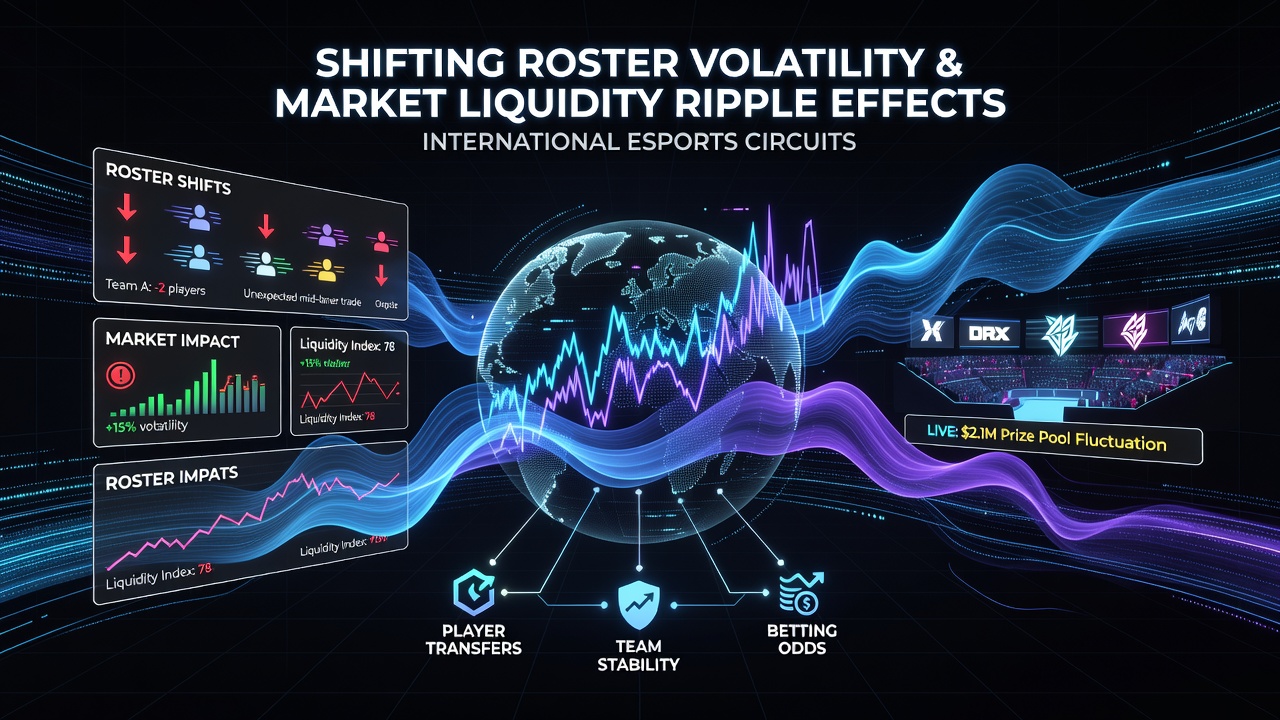
Esports organizations across major leagues have recorded increased roster turnover rates through the first half of 2026, with data from circuits in Europe, Asia, and North America showing player movements occurring at intervals shorter than previous seasons. These shifts stem from contract renegotiations, performance benchmarks, and strategic realignments that teams execute between splits, and they introduce new variables into pre-match preparations for operators handling live wagers.
Roster Dynamics in Global Circuits
Teams in the LEC, LPL, and LCS have adjusted lineups multiple times during the spring and summer periods, while circuits in Korea and Brazil report similar patterns tied to mid-season evaluations. July 2026 marked another wave of changes as organizations responded to early tournament results, and analysts tracking these movements noted that many swaps involved starting players rather than substitutes. Such volatility alters team chemistry metrics that betting platforms rely on when setting initial odds and updating them in real time during matches.
Observers tracking international events point out that roster instability affects how quickly markets absorb incoming bets without significant price adjustments. When a new player joins a squad, historical performance data becomes less reliable, which prompts operators to widen spreads or limit exposure on certain outcomes until sufficient live data accumulates.
Effects on Live Market Liquidity
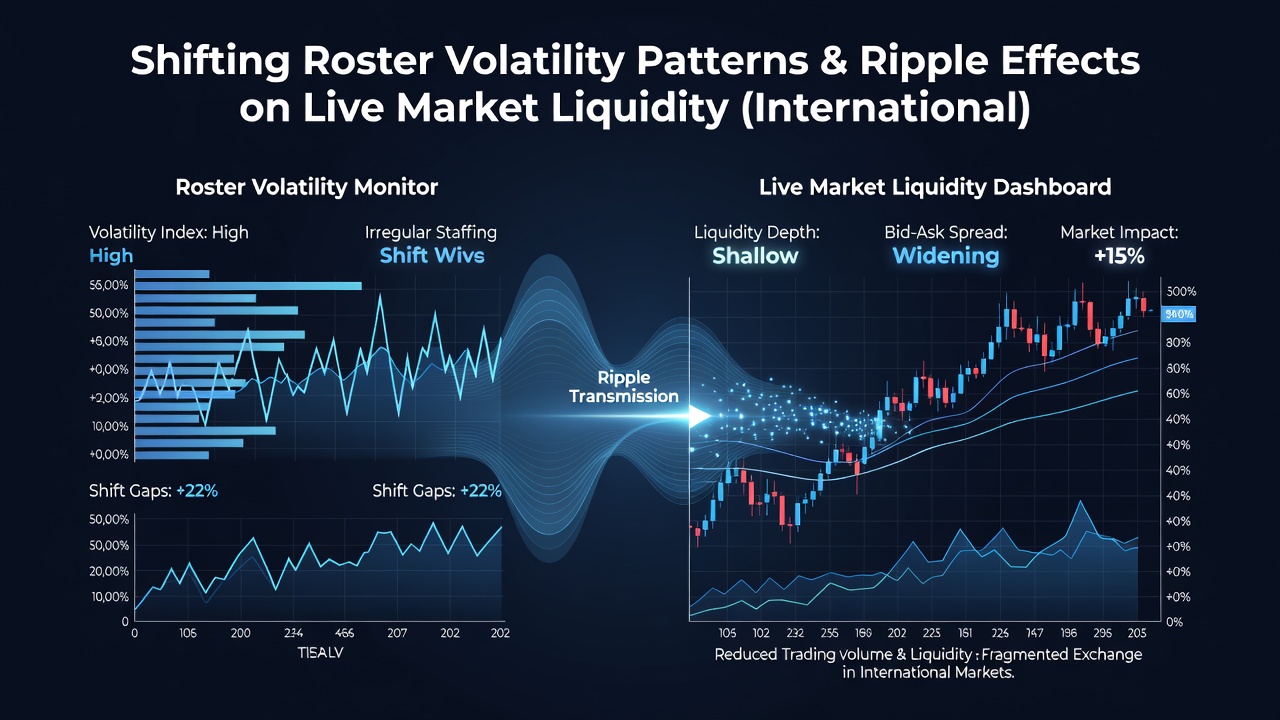
Live betting volumes in esports depend on the ability of markets to handle large wagers at stable prices, yet roster changes disrupt this balance by reducing predictive accuracy in the opening minutes of a match. Figures from regional operators indicate that liquidity pools contract by noticeable margins in the first map or round when unfamiliar lineups appear, and recovery occurs only after several exchanges provide fresh statistical inputs.
Researchers examining these patterns have identified that circuits with higher roster turnover experience more frequent instances of thin order books during prime-time events. This situation forces bettors and syndicates to split stakes across multiple platforms or delay entries until lineups stabilize, which in turn slows overall transaction speed and alters risk distribution among market makers.
Regional Variations and Data Trends
European circuits have shown quicker adaptation through enhanced scouting networks that supply operators with preliminary performance estimates, whereas Asian leagues often see prolonged liquidity dips because roster announcements arrive closer to match times. A report compiled by the Canadian Esports Federation highlights how North American teams with frequent substitutions recorded lower average bet volumes per match compared with squads that maintained core lineups throughout the split.
What's interesting here is the way these effects compound across multi-week tournaments, where cumulative roster changes create layered uncertainty that carries into subsequent fixtures. Operators adjust risk models accordingly, yet the adjustments sometimes lag behind actual gameplay developments, leaving windows where certain prop markets remain under-supported until external data sources catch up.
Operational Responses in the Industry
Betting platforms have responded by integrating additional data feeds from scrimmage trackers and coaching staff reports, which help narrow the information gap created by roster shifts. Industry groups such as the Esports Integrity Commission have encouraged standardized disclosure timelines for lineup changes to support more consistent market functioning across borders. These measures aim to stabilize liquidity without restricting the natural movement of players between organizations.
Academic studies from institutions including the University of Sydney have examined correlations between roster stability indices and live market depth, revealing that teams announcing changes more than 48 hours before events maintain higher liquidity thresholds than those with last-minute adjustments. This distinction matters for circuits operating under tight schedules, where last-minute roster news travels rapidly through community channels and influences betting patterns before official confirmation.
Conclusion
International esports circuits continue to navigate roster volatility as a structural feature rather than an occasional disruption, and the resulting effects on live market liquidity reflect ongoing adjustments by both teams and operators. Data gathered through mid-2026 shows that circuits with proactive information-sharing protocols experience milder contractions in available wagering depth, while those without such systems face repeated challenges in maintaining balanced order books during peak hours. These patterns suggest that liquidity management will remain tied to roster management practices as the sector evolves.