Regulatory Changes Across South America Transform Payment Systems for Virtual Sports Betting Platforms
Written by Hugo Schmid · Jul 19, 2026
Regulatory Changes Across South America Transform Payment Systems for Virtual Sports Betting Platforms
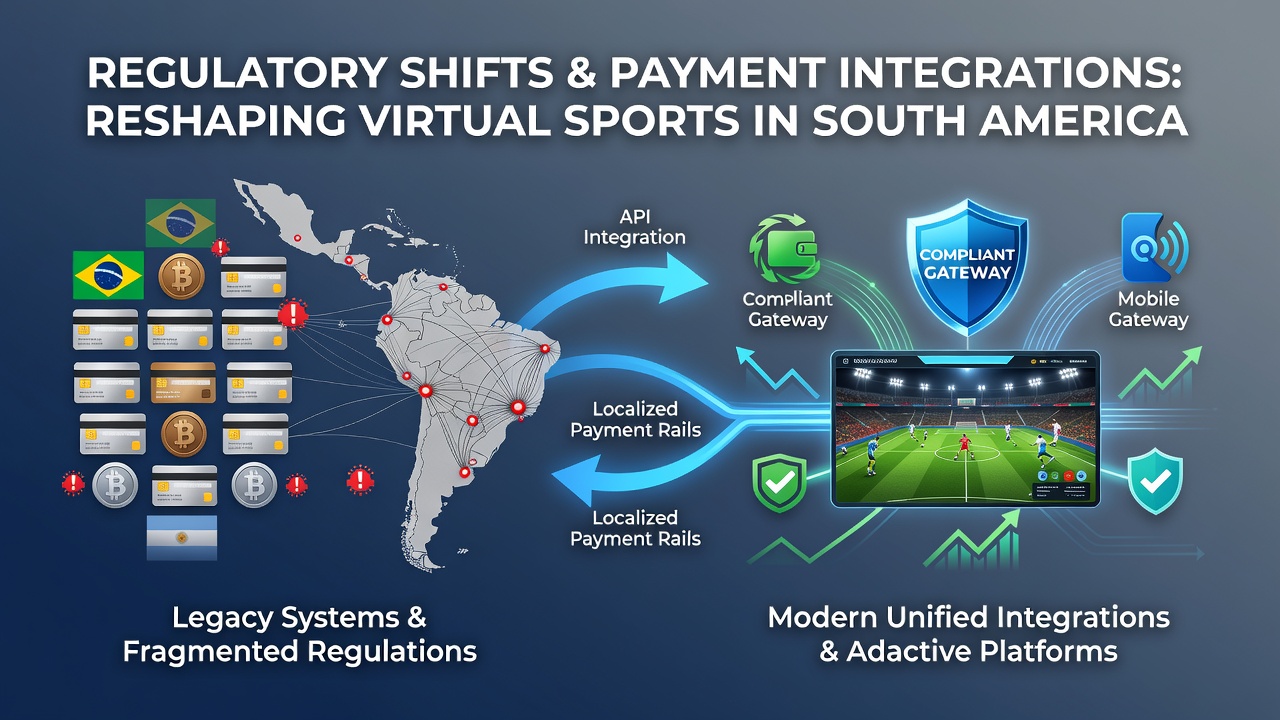
Regulatory developments in several South American countries have begun altering how virtual sports platforms handle transactions, with new licensing requirements and currency controls directing operators toward localized payment rails. Brazil's framework, which took shape through 2024 legislation and saw further refinements by early 2026, mandates that licensed platforms integrate with the central bank's instant payment system known as PIX while complying with strict anti-money laundering protocols enforced by the Central Bank of Brazil. Operators must route a defined percentage of deposits through domestic banks, which has prompted virtual sports providers to overhaul their backend systems to support real-time settlement and reporting.
Brazil Sets the Pace with Mandatory Local Rails
Under the updated rules effective through mid-2026, platforms operating virtual sports markets must maintain separate accounts for Brazilian reais and submit monthly transaction logs that detail every deposit and withdrawal processed via PIX. This requirement stems from Law 14.790 and subsequent circulars issued by the monetary authority, which aim to keep capital flows within monitored channels. Data released in quarterly reports from the Central Bank shows that PIX volumes linked to gaming accounts rose sharply once operators completed their integrations, reflecting both increased compliance and higher user adoption of the instant transfer method.
Platforms that previously relied on international card processors now route transactions through authorized Brazilian acquirers, a shift that reduces cross-border fees yet adds layers of reconciliation. Those who studied the transition note that integration timelines averaged between four and seven months for mid-sized operators, with larger networks completing the work faster due to existing banking partnerships.
Argentina's Currency Controls Push Crypto Adoption
Argentina's evolving stance on digital assets has created a parallel pathway for virtual sports platforms seeking to manage volatility in the peso. Central Bank resolutions from 2025 permit licensed gaming entities to accept stablecoins under specific reporting conditions, provided they maintain reserves at authorized financial institutions and file weekly position statements. This approach emerged after repeated restrictions on foreign currency access, which had previously forced many platforms to suspend peso-denominated accounts temporarily.
Operators active in the Argentine market have documented increased use of USDT and USDC for both deposits and payouts, with transaction ledgers now required to include wallet addresses and on-chain timestamps. Research from the University of Buenos Aires faculty of economic sciences indicates that platforms incorporating these stablecoin options retained higher user retention rates during periods of sharp peso depreciation compared with those limited to local bank transfers alone.
Colombia and Chile Introduce Tiered Licensing for Payment Providers
Colombia's gambling regulator, Coljuegos, updated its technical standards in late 2025 to require that any payment processor handling virtual sports wagers obtain a separate authorization tier. The change compels platforms to segment payment flows by risk level, with higher-volume users subject to enhanced verification that includes source-of-funds declarations. Similar measures advanced in Chile through the Superintendencia de Casinos de Juego, where draft rules circulated in spring 2026 propose linking gaming licenses directly to certified payment gateways that support the local banking network's instant transfer protocol.
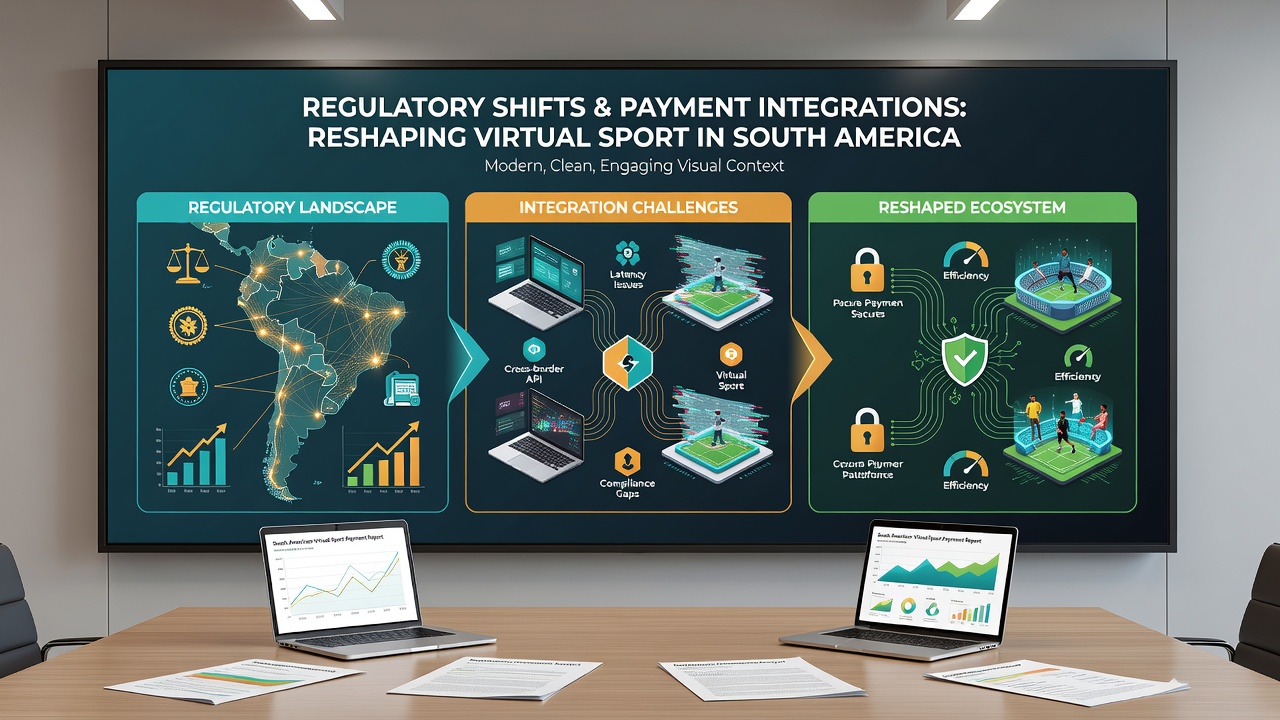
These tiered systems have encouraged partnerships between international platform operators and regional fintech firms already approved for cross-border settlement. Figures compiled by the Inter-American Development Bank show that approved gaming-related payment volumes through certified gateways increased by double-digit percentages in the first half of 2026, coinciding with the rollout of new licensing categories.
Cross-Border Data Sharing Emerges as a Common Thread
Regional coordination has accelerated through informal working groups that include representatives from Brazil, Argentina, Colombia, and Chile. Although no single treaty governs all markets, participating regulators have aligned on minimum standards for transaction monitoring that include real-time flagging of unusual patterns and mandatory sharing of suspicious activity reports. Platforms must therefore configure their payment engines to generate standardized data exports compatible with multiple supervisory portals, a technical demand that has driven investment in modular compliance software.
By July 2026, several major virtual sports operators had completed multi-country integrations that allow a single user account to draw from PIX in Brazil, stablecoin wallets in Argentina, and certified gateways in Colombia without triggering separate onboarding flows for each jurisdiction. The architecture relies on API connections that automatically apply the strictest rule set applicable to the user's location and funding method.
Conclusion
South American regulatory adjustments have collectively steered virtual sports platforms toward payment infrastructures that prioritize domestic visibility and controlled capital movement. The resulting integrations reflect a landscape where operators balance compliance obligations with user expectations for speed and accessibility, producing technical architectures that continue to evolve alongside new circulars and licensing updates issued by each country's monetary and gaming authorities.