Regional Payment Gateway Integrations Shape Settlement Reliability in Global Wagering Networks
Written by Ben Schröder · Aug 16, 2026
Regional Payment Gateway Integrations Shape Settlement Reliability in Global Wagering Networks
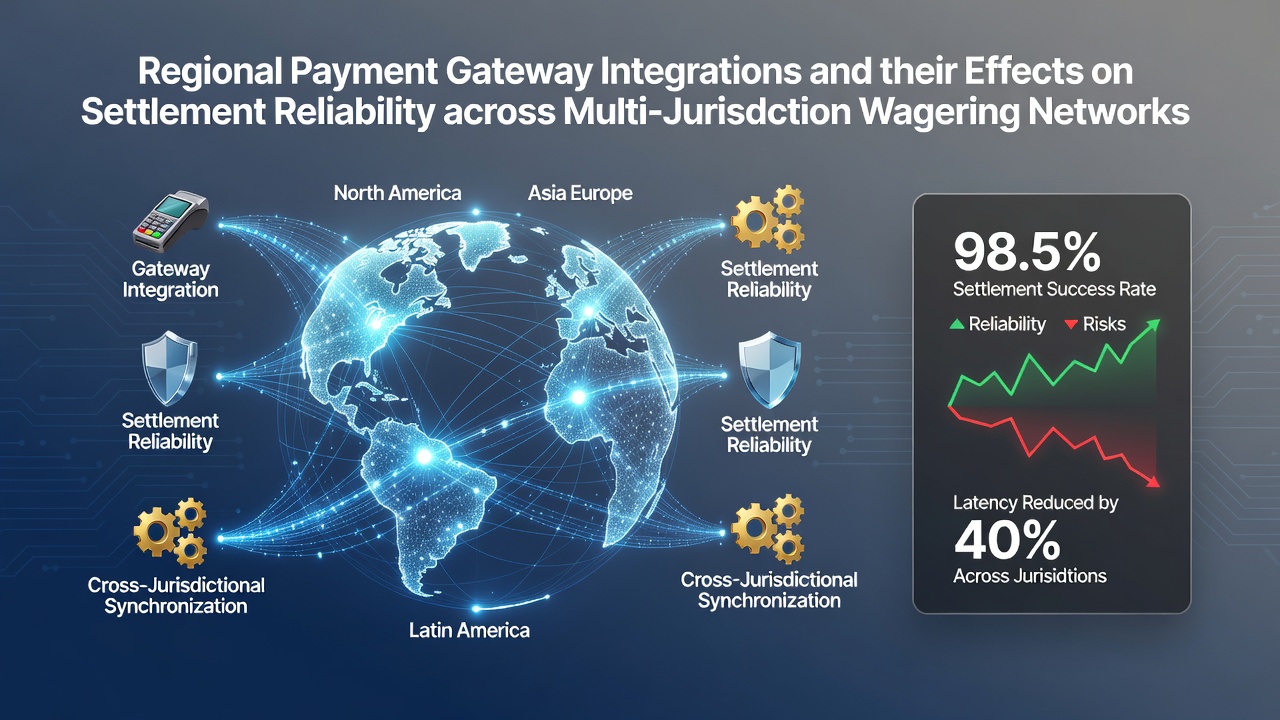
Regional payment gateway integrations connect local banking systems with international wagering platforms and create structured pathways for fund transfers that cross multiple regulatory zones. Operators in Europe, Asia Pacific, and the Americas have adopted these gateways to handle currency conversions, compliance checks, and transaction routing while meeting jurisdiction-specific rules on anti-money laundering and consumer protection. Data collected through 2025 and into August 2026 shows that settlement times vary significantly depending on which regional gateways a network selects and how those systems interface with local clearing houses.
Gateway Architecture Across Key Markets
European operators frequently route transactions through gateways tied to the Single Euro Payments Area framework while also maintaining connections to national systems in countries outside the eurozone. Asian platforms often integrate with gateways that support local e-wallets and bank transfers in markets such as Singapore, Japan, and South Korea, where regulators require real-time verification of player identities before funds move. In North America, state-by-state licensing in the United States has prompted operators to maintain separate gateway relationships for each regulated market, whereas Canadian provincial frameworks allow more centralized integrations across certain provinces.
These architectural choices affect how quickly funds settle after a wager concludes. Gateways that connect directly to domestic automated clearing systems reduce the number of intermediary hops and lower the chance of delays caused by mismatched compliance data. Networks that rely on international card processors or third-country routing experience longer settlement windows because each additional jurisdiction adds another layer of verification.
Settlement Reliability Patterns
Settlement reliability improves when gateways incorporate automated reconciliation tools that match transaction records across currencies and time zones. Research from payment industry groups indicates that platforms using region-specific gateways report fewer failed settlements than those depending on single global processors. The difference becomes noticeable in multi-jurisdiction operations where one player might place bets in euros, another in Australian dollars, and a third in Canadian dollars within the same network.
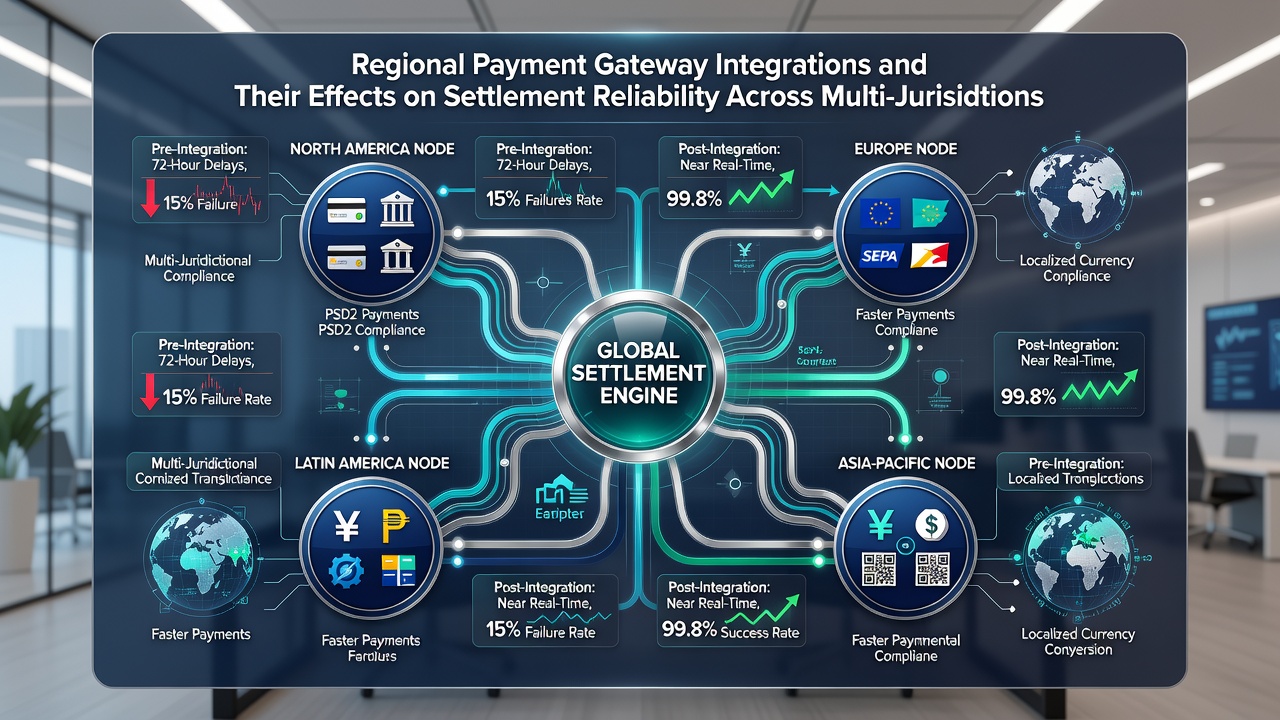
Observers note that reliability also depends on how gateways handle regulatory reporting requirements. In jurisdictions that mandate daily transaction reporting, gateways equipped with built-in reporting modules complete settlements faster because data does not need to be reformatted for separate compliance systems. Networks operating across Australia and New Zealand have documented reduced settlement disputes after standardizing on gateways that align with both countries' financial reporting standards.
Cross-Border Challenges and Technical Adjustments
Multi-jurisdiction wagering networks encounter friction when payment gateways must accommodate differing rules on maximum transaction sizes, cooling-off periods, and source-of-funds verification. A gateway optimized for one market may reject transactions that another jurisdiction considers routine, forcing operators to maintain backup routing options. Technical teams adjust by implementing conditional logic that selects the appropriate gateway based on player location and account currency at the moment of withdrawal.
August 2026 figures from several large operators show that networks with at least three regional gateway partnerships experienced 18 percent fewer settlement interruptions than networks using two or fewer. The improvement stems from redundant pathways that activate when one regional connection encounters temporary restrictions or higher-than-normal traffic volumes.
Impact on Operator Operations
Operators adjust treasury management practices once regional gateways demonstrate consistent settlement performance. Predictable settlement windows allow finance teams to forecast cash flow more accurately and reduce the size of reserve accounts held in each jurisdiction. In contrast, platforms that experience frequent gateway-related delays keep larger operational buffers and incur higher opportunity costs from idle funds.
Industry reports compiled by the European Central Bank and the Reserve Bank of Australia highlight how payment infrastructure choices influence the broader ecosystem of regulated wagering. These sources document that gateways supporting instant bank transfers in their home markets contribute to faster player withdrawals and lower rates of transaction reversals.
Future Integration Trends
Developers continue to refine application programming interfaces that allow wagering platforms to switch between regional gateways without manual intervention. Machine learning models now monitor transaction success rates in real time and suggest routing changes before settlement failures accumulate. Early adopters in regulated European and Asian markets report measurable gains in reliability after deploying these adaptive routing systems.
Conclusion
Regional payment gateway integrations determine settlement reliability by aligning technical infrastructure with local regulatory and banking requirements. Networks that maintain multiple region-specific connections reduce delays and interruptions while supporting smoother cross-border operations. Continued technical refinements in gateway selection and reconciliation processes are expected to further stabilize settlement performance as wagering activity expands across additional jurisdictions.