29 May 2026
Lawmakers Advance Stricter Sports Betting Rules as Industry Groups Respond with Targeted Political Spending

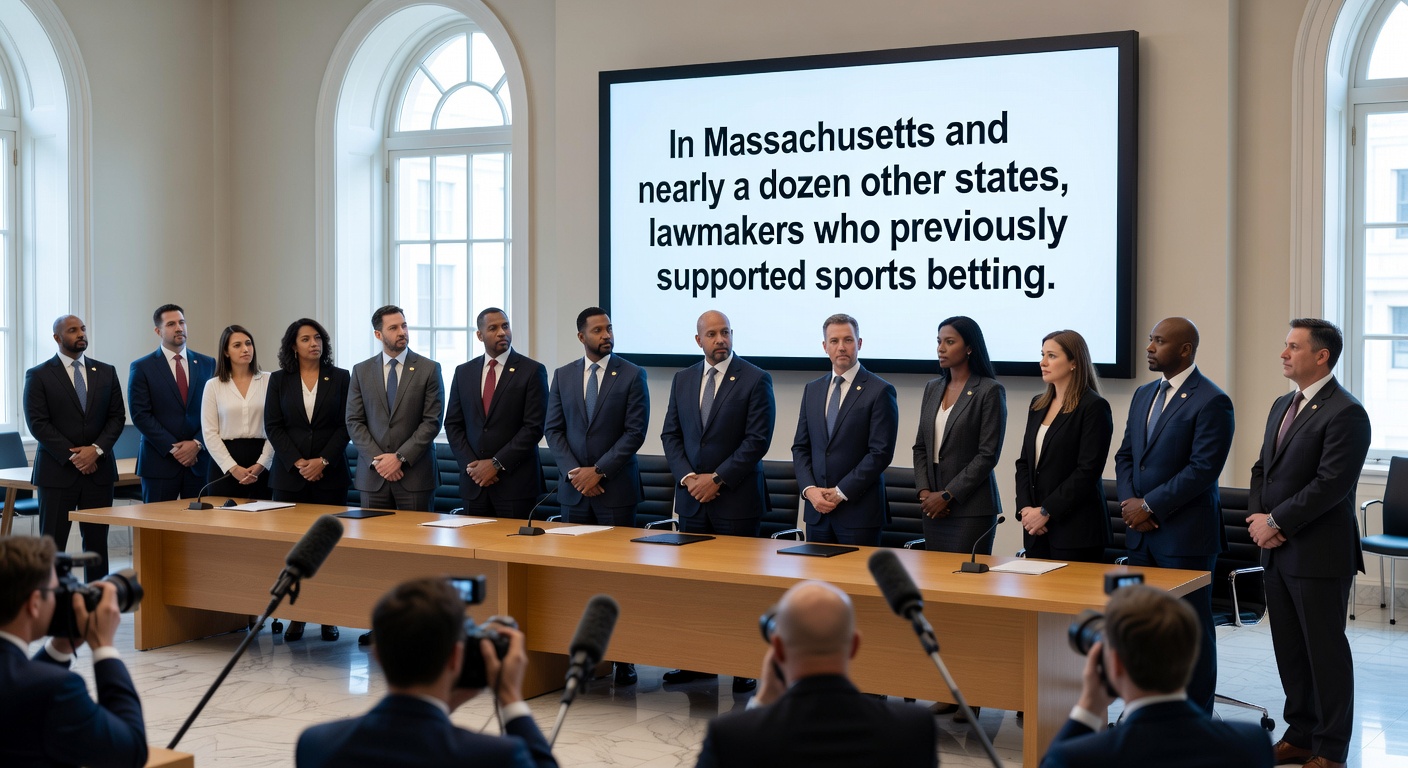
Lawmakers in Massachusetts along with those in nearly a dozen other states who once backed the legalization of sports betting have begun advancing tighter regulations that include bans on prop bets, increased taxes on sportsbook revenues, and limits on advertising, adn they point to growing concerns over gambling addiction as the driving factor behind these moves, while major online operators such as DraftKings, FanDuel, and Fanatics have launched a coordinated response through a $43 million super PAC known as Win For America that targets state legislative races along with direct political contributions to influential lawmakers.
These developments have unfolded in May 2026, when several statehouses took up bills that would reverse or modify earlier frameworks that allowed widespread expansion of legal sports wagering, and the proposals mark a noticeable pivot from the pro-legalization stance that many of the same legislators held just a few years earlier.
Proposed Regulatory Changes Across Multiple States
Legislators have introduced measures that would prohibit certain types of prop bets, raise the tax rates applied to gross gaming revenue from sportsbooks, and impose new restrictions on how operators can advertise their platforms, and these changes reflect a coordinated effort among states that previously moved quickly to legalize betting after the 2018 Supreme Court decision struck down the federal ban on sports wagering outside Nevada.
States involved in the current push include Massachusetts and approximately eleven others where similar legislation has advanced through committee or received public hearings in recent weeks, and the focus on prop bets stems from data showing that these single-event wagers often appeal to younger bettors who may be more vulnerable to developing problematic gambling habits.
Tax Increases and Advertising Limits
Higher tax rates on sportsbook revenue appear in multiple draft bills, with some proposals seeking to double or triple existing levies in order to generate additional funds for addiction treatment programs, while advertising restrictions would limit the visibility of sportsbook promotions on television, digital platforms, and at sports venues, and lawmakers have cited studies linking heavy advertising exposure to increased participation rates among at-risk populations.
Industry Counter-Efforts Through Political Channels
Operators have responded by directing substantial resources into political advocacy, including the creation of the Win For America super PAC that has already committed $43 million to influence outcomes in state legislative contests, and the group has filed detailed reports with the Federal Election Commission that outline its spending strategy and donor base.
Direct contributions from DraftKings, FanDuel, and Fanatics have flowed to key committee chairs and party leaders in several statehouses, and these donations have occurred alongside the super PAC's independent expenditures that support candidates viewed as more favorable to current industry operating conditions.
Committee details for Win For America super PAC (and related filings) show the scale of fundraising and the specific races where the organization has become active in May 2026, and observers note that such political spending represents a continuation of the industry's long-standing approach to shaping regulatory environments at the state level.
Context of Earlier Legalization Support
Many of the lawmakers now supporting stricter rules previously voted in favor of legalization measures that generated new tax revenue and created jobs in the sports wagering sector, yet recent reports from state health agencies have documented rising calls to gambling helplines and increased participation in treatment programs, and these trends have prompted some legislators to revisit the balance between economic benefits and public health considerations.
The shift has not been uniform across all states that legalized sports betting, but the pattern of former supporters introducing or co-sponsoring tighter regulations has become more visible in the current legislative session, and industry representatives have argued that existing responsible gambling tools already address addiction concerns without the need for broad new restrictions.
Impact on Major Operators
DraftKings, FanDuel, and Fanatics have each maintained active lobbying presences in the affected states while also participating in the super PAC effort, and company filings indicate that political spending has increased in direct correlation with the number of regulatory proposals under consideration, and these activities occur as the broader U.S. sports betting market continues to generate billions in annual handle despite seasonal fluctuations in revenue.
Analysts tracking state legislative calendars have identified the current wave of bills as one of the most significant pushbacks since legalization began, and the outcome of these efforts will likely influence how other states approach potential adjustments to their own sports betting frameworks in coming years.
Conclusion
The interplay between legislative proposals for stricter sports betting controls and the industry's multimillion-dollar political response continues to shape policy debates in Massachusetts and the additional states involved, and the situation remains fluid as sessions progress through May 2026 and beyond, with both sides presenting data on addiction rates, tax collections, and market stability to support their respective positions.