How Data Mapping Tools Reshape Participant Choices in Cross-Border Prediction Exchanges for Winter Athletic Events
Written by Ben Schröder · Aug 2, 2026
How Data Mapping Tools Reshape Participant Choices in Cross-Border Prediction Exchanges for Winter Athletic Events
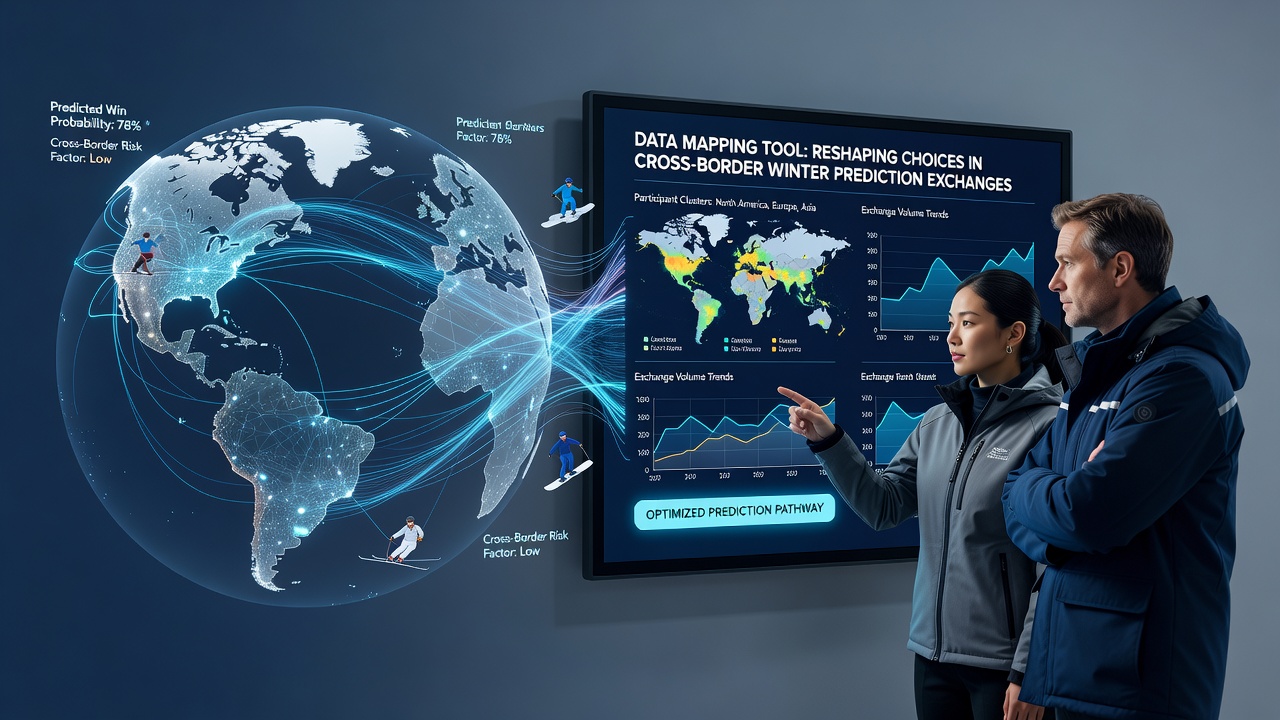
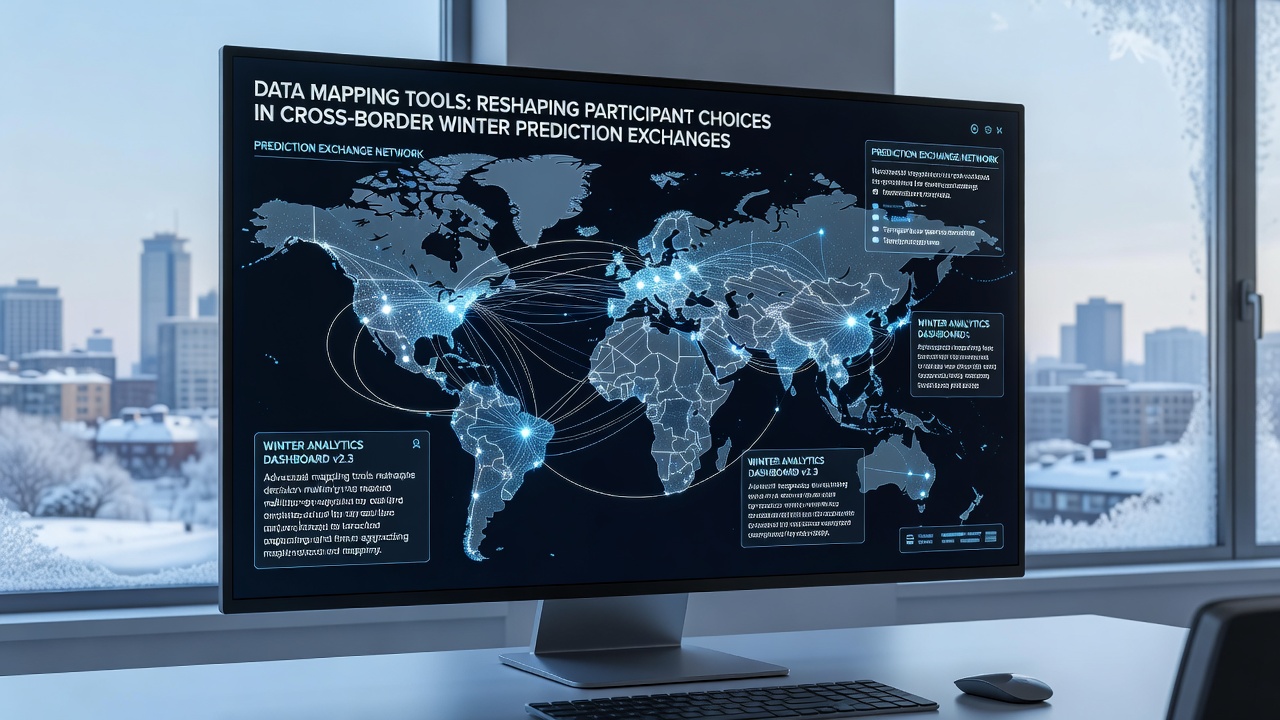
Data mapping tools have become central to cross-border prediction exchanges that focus on winter athletic events, where participants rely on integrated datasets to inform selections across skiing, snowboarding, biathlon, and related disciplines. These tools aggregate information from disparate sources including athlete performance records, venue conditions, and regulatory filings from different jurisdictions, then standardize the data into formats that prediction platforms can process efficiently.
Researchers at institutions tracking global sports markets note that standardized mapping reduces discrepancies that once arose when data arrived from national federations operating under separate protocols. In August 2026, several exchanges reported increased activity in contracts tied to the post-Olympic season, with mapping systems pulling updated results from events held earlier in the year in Europe and North America.
Core Functions of Data Mapping in Prediction Environments
Mapping software converts raw inputs such as timing splits from alpine races or wind readings from ski jumping venues into uniform variables that algorithms can compare across borders. One study released by the University of Toronto's sports analytics group demonstrated how consistent field definitions allow participants to run scenario models that incorporate historical data from both FIS World Cup circuits and Olympic venues without manual reconciliation.
Platforms operating prediction exchanges use these mapped datasets to update contract prices in real time, which in turn influences the volume and direction of participant positions. When a sudden temperature shift affects snow conditions at a venue in Scandinavia, mapped feeds from meteorological services feed directly into pricing engines used by traders in Asia and the Americas.
Cross-Border Data Integration Challenges and Solutions
Differences in measurement standards between countries have historically created friction for prediction market operators. European timing systems often record to three decimal places while some North American circuits report two, yet mapping layers now normalize these values before they reach end users. Observers note that this normalization supports smoother trading in contracts covering events like the Four Hills Tournament or World Cup parallel slalom races.
Regulatory bodies in multiple regions have begun requiring transparency around how mapped data influences contract settlement. The Australian Competition and Consumer Commission published guidance in early 2026 that outlines expectations for data provenance in markets accessible to Australian residents, while the European Securities and Markets Authority continues to monitor similar practices under its existing framework for derivative-like instruments.
Effects on Participant Decision Patterns
Participants in these exchanges increasingly incorporate mapped layers that combine athlete biometric trends with venue-specific historical outcomes. A case involving a Canadian biathlete illustrates the shift: data from both IBU World Cup events and domestic Canadian races were aligned through mapping protocols, allowing traders to adjust positions based on comparative shooting accuracy under varying altitude conditions.
Figures from several platforms indicate that sessions involving mapped winter sports contracts lasted longer on average than those limited to single-source data, suggesting participants spend additional time reviewing integrated variables before finalizing selections. This pattern appears across both retail and institutional accounts, according to aggregated usage reports shared by exchange operators.
Regulatory and Technical Developments Through Mid-2026
By August 2026, several prediction exchanges had deployed updated mapping schemas that accommodate new data streams from wearable sensors used in training camps. These additions allow finer-grained comparisons of recovery metrics across athletes from different national programs. Industry reports compiled by the Canadian Gaming Association highlight how such enhancements support compliance with jurisdictional rules that require clear audit trails for settlement data.
Technical standards groups have also advanced common schemas for winter event variables, reducing the custom coding previously needed when exchanges expanded into new markets. Participants now encounter fewer instances where a contract remains suspended pending manual data verification, which previously occurred when incompatible formats arrived from separate national bodies.
Conclusion
Data mapping tools continue to alter how participants approach prediction exchanges centered on winter athletic events by providing standardized, multi-source datasets that support more granular analysis. The integration of regulatory expectations from bodies such as the Australian Competition and Consumer Commission alongside technical improvements has produced environments where cross-border data flows operate with greater consistency. As additional sensor and venue information enters these systems, the scope of available mapped variables is expected to expand further in subsequent seasons.