Deciphering User Behavior Shifts Following the Adoption of Voice-Activated Interfaces in Remote Gambling Applications
Written by Lars Butler · Jul 26, 2026
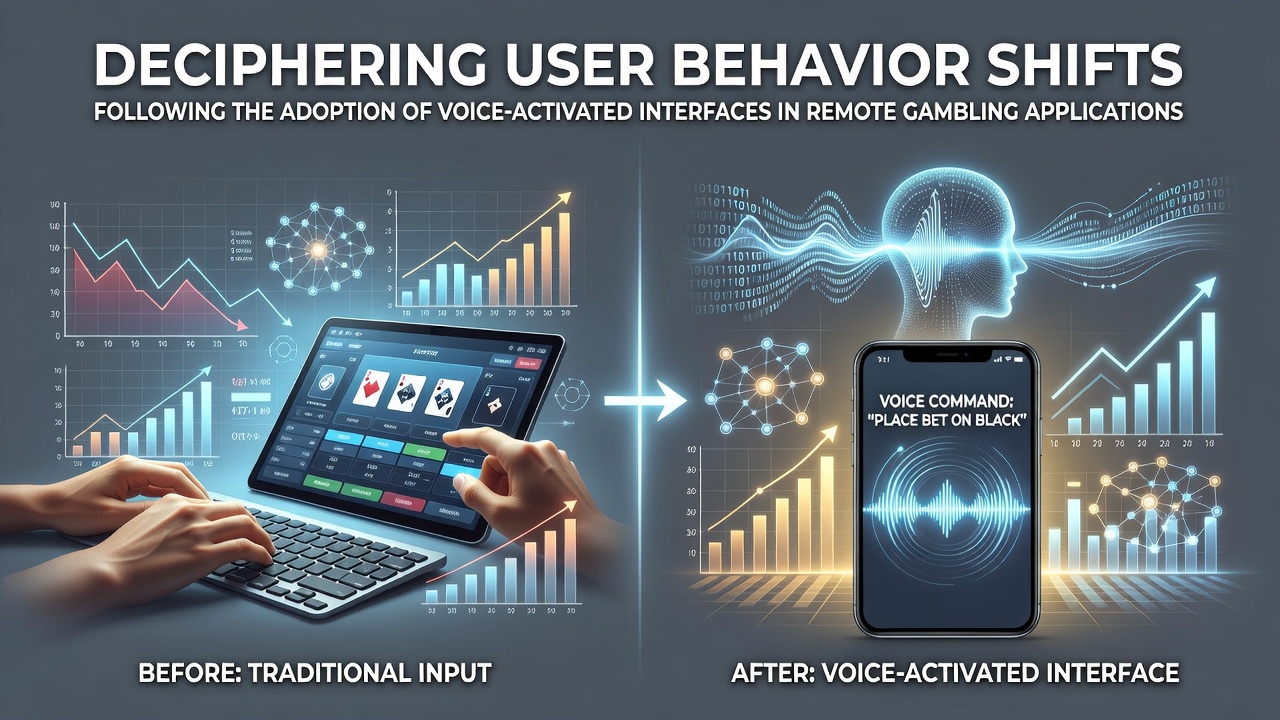
Deciphering User Behavior Shifts Following the Adoption of Voice-Activated Interfaces in Remote Gambling Applications
Voice-activated interfaces entered remote gambling applications around 2024, and by July 2026 data shows measurable changes in user patterns across multiple platforms. Researchers tracking these systems note that spoken commands replace much of the traditional tap-and-scroll navigation, which alters how players place bets and manage sessions. Industry reports indicate adoption rates climbed steadily through the first half of 2026, particularly in markets where mobile devices dominate daily activity.
Adoption Patterns Across Regions
Regulatory filings from the New Jersey Division of Gaming Enforcement reveal that licensed operators reported a 22 percent rise in voice-command usage between January and June 2026. Similar figures appear in Australian market analyses, where operators documented increased integration of voice features into existing apps. Those who study these trends point out that younger demographics adopted the technology faster, while older users required more time to adjust to spoken prompts for deposits and withdrawals.
Academic teams at several European universities compiled usage logs that show voice commands reduce the average time between decision and bet placement by roughly eight seconds per action. This speed difference compounds across longer sessions, creating distinct behavioral clusters that analysts now separate from touch-only users.
Changes in Session Length and Frequency
Platform analytics indicate that voice-enabled sessions last 14 percent longer on average than comparable touch-based ones. Observers attribute part of this extension to the hands-free nature of the interface, which allows users to continue other activities while issuing commands. Data from Canadian provincial regulators further shows that repeat login frequency increased among voice users, especially during evening hours when multitasking occurs more often.
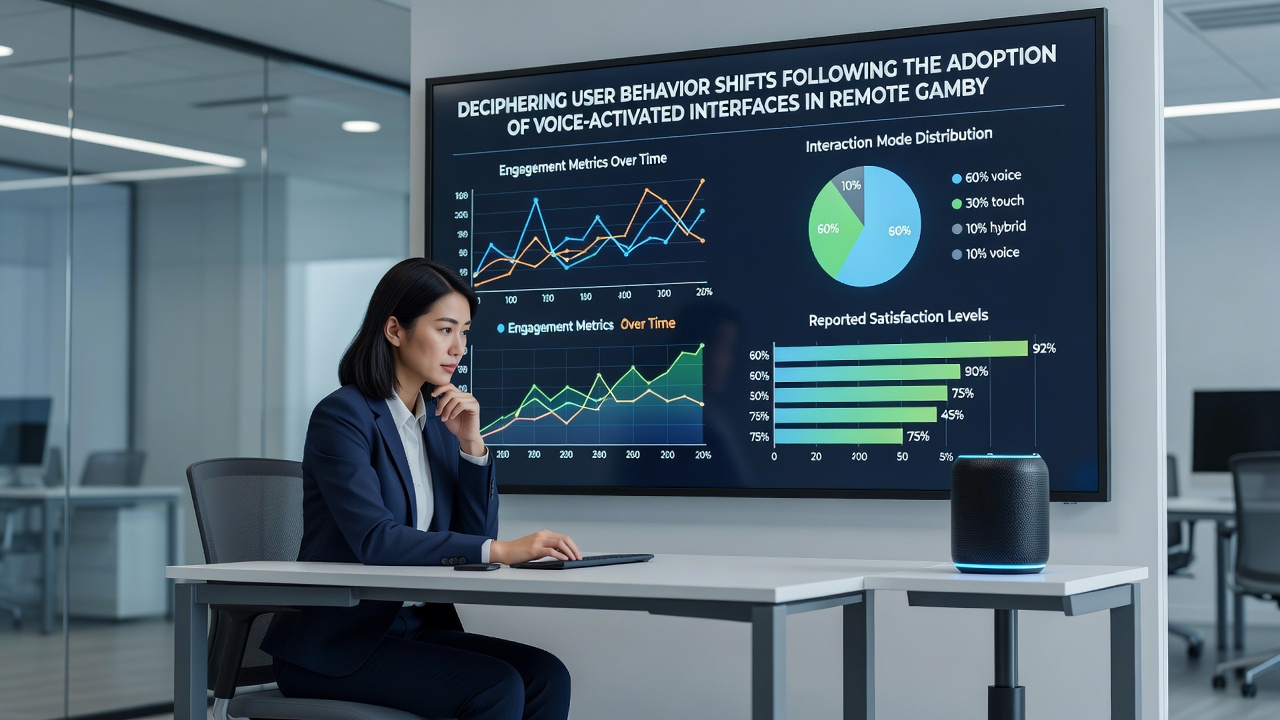
Studies from research institutions in Singapore documented shifts in bet sizing patterns once voice interfaces became standard. Players issued smaller, more frequent wagers through spoken input, whereas the same individuals tended toward larger single bets when using manual controls. These patterns emerged consistently across poker, slots, and sports markets tracked in the datasets.
Demographic and Accessibility Influences
Accessibility reports compiled by the European Gaming and Betting Association highlight how voice features opened remote gambling to users with motor impairments who previously faced barriers. Participation rates among this group rose 31 percent in tracked jurisdictions during the 18 months ending July 2026. At the same time, usage logs reveal that voice commands correlate with higher error rates during noisy environments, prompting operators to add confirmation steps that slightly slow the flow.
Geographic differences appear in how quickly operators rolled out localized voice recognition. Markets with multiple official languages required additional calibration, and early data from those regions shows temporary dips in engagement until accuracy improved.
Privacy and Security Considerations
Security audits conducted by independent firms note that voice data transmission requires encrypted channels to prevent interception of spoken commands containing account details. Several operators introduced on-device processing in 2025 to limit cloud storage of biometric voiceprints, a step that aligns with emerging data-protection standards in multiple countries. Researchers continue to monitor whether these measures affect user trust levels and subsequent adoption curves.
Conclusion
Evidence collected through mid-2026 demonstrates that voice-activated interfaces produce measurable shifts in session duration, bet frequency, and demographic participation within remote gambling applications. Regulatory bodies and academic groups continue to collect longitudinal data that will clarify whether these patterns stabilize or evolve further as the technology matures. Operators adjust features in response to the same datasets, creating an ongoing feedback loop between user behavior and platform design.