5 Jun 2026
Biometric Sensor Integrations Refining Decision Patterns Across Digital Poker Ecosystems
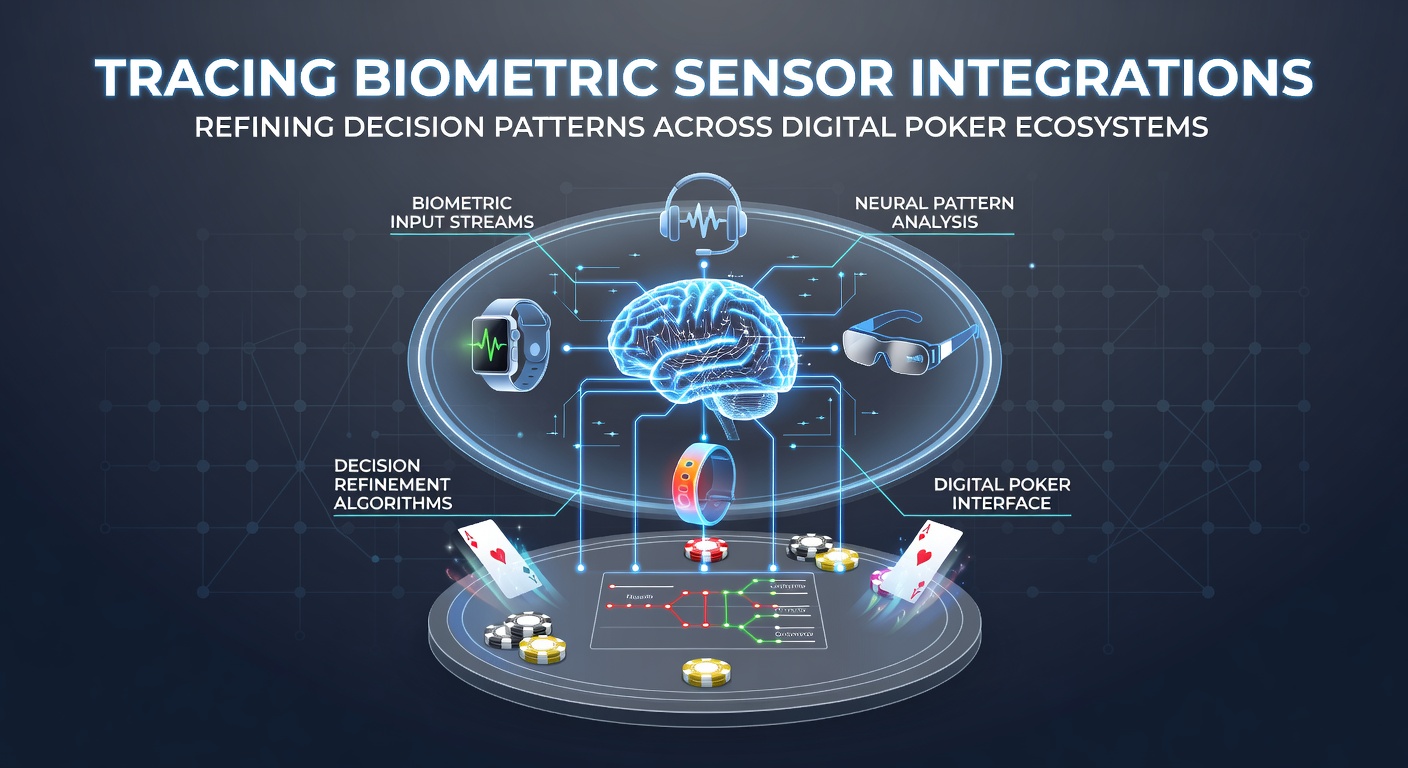
Digital poker platforms have incorporated biometric sensor technology at increasing rates since early 2025, with systems tracking heart rate variability, eye movement patterns, and skin conductance to map player responses during hands. These integrations feed data streams directly into algorithmic models that adjust game interfaces or suggest strategic refinements based on detected physiological states. Observers note that operators deploy wearable device APIs alongside webcam-based facial analysis to capture metrics without disrupting standard play sessions.
By June 2026 platforms reported measurable shifts in how these sensors influence bet sizing and fold decisions across major rooms. Data streams from devices such as smart rings and chest straps sync with poker clients to flag elevated stress indicators during high-stakes moments, prompting interface adjustments like simplified bet sliders or delayed action timers. Research from the University of Nevada Reno gaming laboratory shows correlations between detected arousal spikes and deviations from optimal game theory strategies in multi-table tournaments.
Sensor Types and Data Collection Methods
Heart rate monitors represent the most common entry point for biometric integration, transmitting beats per minute and variability scores through Bluetooth connections to poker software. Eye-tracking cameras mounted on monitors or integrated into laptop lids capture gaze duration on community cards and opponent avatars, generating heat maps that algorithms cross-reference with historical hand data. Platforms combine these inputs with galvanic skin response readings from finger sensors to build composite profiles of emotional states during betting rounds.
Developers structure these feeds into machine learning pipelines that identify patterns across thousands of sessions. A player exhibiting rapid eye movements paired with increased heart rate might trigger subtle interface changes, such as highlighted pot odds displays or optional pause features. These refinements aim to stabilize decision outputs rather than alter core game rules, according to documentation released by several European gaming technology providers.
Impact on Player Decision Refinement
Algorithms process biometric signals to highlight moments when physiological markers diverge from expected strategic baselines. For instance, prolonged gaze fixation on a single opponent combined with elevated skin conductance often precedes conservative betting patterns in heads-up situations. Systems flag these instances for users through non-intrusive prompts that encourage review of previous similar hands without forcing action changes.
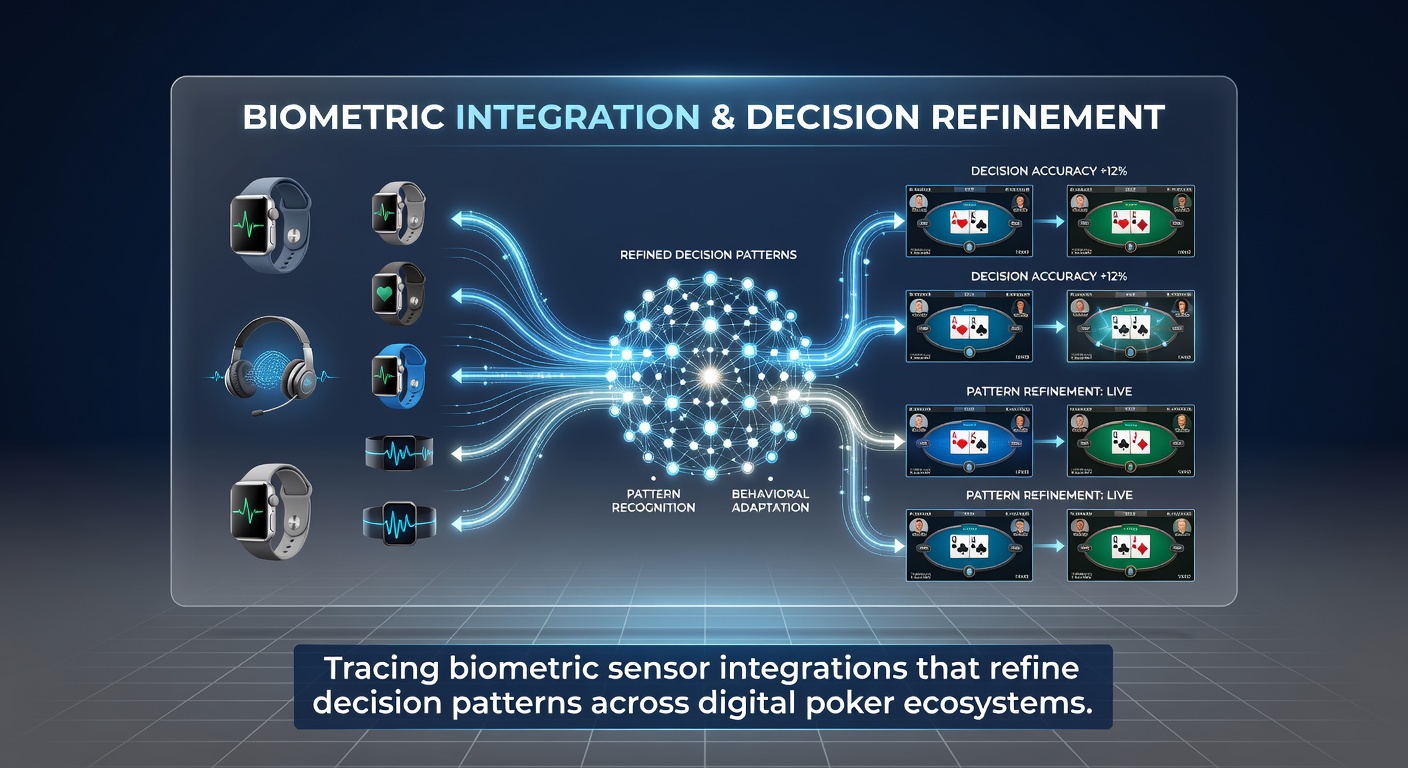
Case examples from North American rooms illustrate how aggregated sensor data across player pools reveals broader trends. Sessions logged in early 2026 indicated that participants using connected wearables adjusted their continuation bet frequencies by noticeable margins when heart rate feedback appeared on secondary screens. Such adjustments occur because the systems present real-time overlays that contextualize current arousal levels against personal historical averages.
Regulatory and Technical Frameworks
Regulatory bodies have begun addressing biometric data handling in online gaming environments. The Nevada Gaming Control Board updated its technical standards in late 2025 to require explicit consent mechanisms for sensor data collection, ensuring players control which metrics feed into decision-support tools. Similar guidelines emerged from Australian regulatory consultations that emphasized data minimization principles during biometric processing.
Technical standards from industry groups specify encryption protocols for transmitting heart rate and eye-tracking streams between devices and servers. These measures prevent unauthorized access while allowing platforms to maintain audit trails of how sensor inputs correlate with betting adjustments. Integration timelines show most major operators completed initial deployments by March 2026, with subsequent updates focusing on cross-device compatibility.
Future Integration Pathways
Emerging developments point toward deeper fusion between biometric sensors and artificial intelligence models that simulate opponent responses based on collective physiological data. Researchers continue examining how aggregated eye movement patterns across large player cohorts can refine bluff detection algorithms without compromising individual privacy boundaries. Continued testing in controlled environments tracks whether these refinements produce consistent shifts in win rate distributions over extended periods.
Conclusion
Biometric sensor integrations continue evolving within digital poker ecosystems as platforms refine methods for linking physiological signals to strategic decision outputs. Current implementations focus on data-driven overlays that support rather than dictate player choices, with regulatory frameworks establishing boundaries around consent and security. Ongoing technical work through mid-2026 centers on expanding compatibility across devices while maintaining compliance with regional standards.